
For informational purposes only — not medical advice. See our Medical & Health Disclaimer.
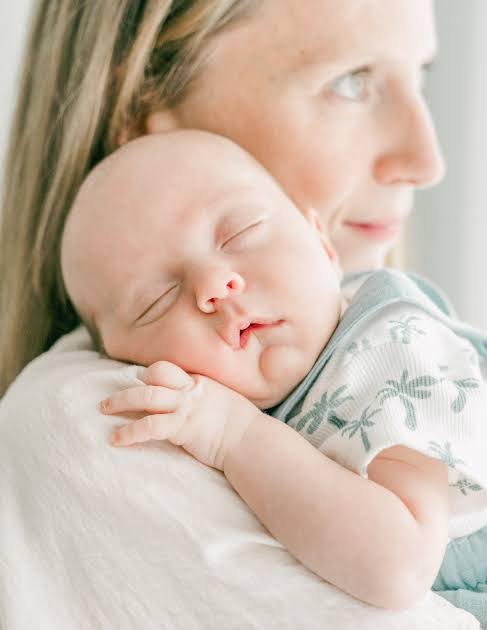
“Why does my newborn only sleep when held?” is the question running through your head as your arms go numb on the couch again. Maybe you’ve tried every trick, and the second your baby touches the mattress, their eyes snap open. First, please hear this: you haven’t created a bad habit. Your baby is doing exactly what newborns are wired to do.
This pattern shows up differently at every stage — for the full picture of what’s normal at your baby’s age, our Baby Sleep Guide has a section built for exactly this kind of struggle.
Your Baby Isn’t “Spoiled”
This phrase gets thrown around a lot, and it’s simply not accurate. Newborns can’t be spoiled by wanting closeness, because closeness is a survival need, not a preference.
Instead, think of this stage as biology, not behavior. Understanding that shift can lift a huge amount of guilt off your shoulders.
The Fourth Trimester Explains a Lot
Many pediatric experts describe the first three months as a “fourth trimester.” Your baby spent nine months surrounded by constant warmth, motion, and your heartbeat.
Suddenly, the outside world feels big, bright, and unpredictable. Therefore, being held recreates that familiar, safe feeling your baby just left behind — and as those early wake windows stretch out, most babies gradually tolerate more time on their own. See our newborn wake windows by age guide for what to expect as this shifts.
Contact Naps Are Actually Normal
According to the American Academy of Pediatrics (AAP), close contact supports bonding and can genuinely help regulate a newborn’s breathing, temperature, and heart rate. So if your baby only naps on your chest right now, that’s not a failure on your part.
However, contact naps do require care. Always stay awake and alert while your baby sleeps on you, and move them to a safe, flat surface for solo sleep whenever possible.
What’s Really Happening Physically
Being held provides constant sensory input: motion, warmth, and pressure against your baby’s body. This is called proprioceptive feedback, and it’s deeply calming for a developing nervous system.
Once that input disappears, some babies startle awake almost immediately. This connects closely to the same reflex issue covered in our guide on why does my newborn wake up when I put them down.
Could Reflux or Gas Be a Factor?
Sometimes, babies prefer being upright because lying flat feels physically uncomfortable. Reflux, gas, or general digestive fussiness can all play a role here.
If your baby seems especially unsettled after feeds, mentioning this to your pediatrician is worth doing. They can check for anything that might need specific treatment.
Gentle Ways to Build Independent Sleep
You don’t need to go cold turkey overnight. Small, gradual steps tend to work far better than sudden change.
Start by placing your baby down while drowsy but not fully asleep. Keep a hand on their chest for reassurance, then slowly lift it away once they settle. Over time, this teaches their body that the crib can feel safe too.
Timing Still Makes a Difference
Catching your baby’s sleepy cues early often makes transfers smoother. Our guide on newborn sleep cues walks through the early warning signs to watch for.
Meanwhile, an overtired baby fights sleep no matter where they’re placed. Overtired newborn signs and what to do explains why timing this well truly helps.
Creating a Familiar Sleep Environment
Recreating small parts of the “held” feeling can ease the transition. White noise, gentle swaddling, and a slightly warmed sheet all mimic comfort your baby already knows.
For a full daily rhythm to build around, our newborn nap schedule guide offers a helpful starting structure. As your baby grows and starts rolling, transitioning away from swaddles becomes its own step, which our transition from swaddle to sleep sack guide covers in detail.
If Frequent Night Wakings Continue Too
This pattern often overlaps with frequent overnight wakings, not just naps. If your baby is waking constantly once placed down at night, our article on newborn waking every hour at night addresses that specific struggle.
Around three to four months, sleep patterns shift again, often alongside the 4-month sleep regression. A step backward here doesn’t erase your progress.
Safe Sleep Still Comes First
Whatever method you try, safety always leads the way. The World Health Organization (WHO) recommends placing babies on their backs on a firm, separate sleep surface for all solo sleep, without pillows, blankets, or soft bedding.
Our safe sleep for newborns guide covers these guidelines fully, so you can feel confident with every nap and bedtime.
When to Loop In Your Pediatrician
Every baby settles at their own pace, and there’s no universal timeline here. If your baby seems unusually uncomfortable, isn’t feeding or gaining weight well, or you notice ongoing distress, please talk with your pediatrician.
They can check for reflux, discomfort, or anything else worth ruling out.
This Phase Won’t Last Forever
Right now, it might feel like you’ll never put your baby down again. However, this intense need for closeness does ease with time, usually within the first few months.
For a few tools to make this stretch a little gentler, browse our best baby products roundup, picked with real, touched-out parents in mind.
Related Sleep Guides
- Baby Sleep Guide — the full hub for schedules, regressions, and safe sleep
- Why Does My Newborn Wake Up When I Put Them Down?
- Newborn Waking Every Hour at Night
- Overtired Newborn: Signs and What to Do
- Safe Sleep for Newborns
Written by Fran & Fabio, founders of New Mom Choice. Fran is a dentist. Fabio is a retired agricultural pilot. Together, they research and fact-check every guide on this site against trusted medical sources — including the AAP and WHO — before it goes live.